
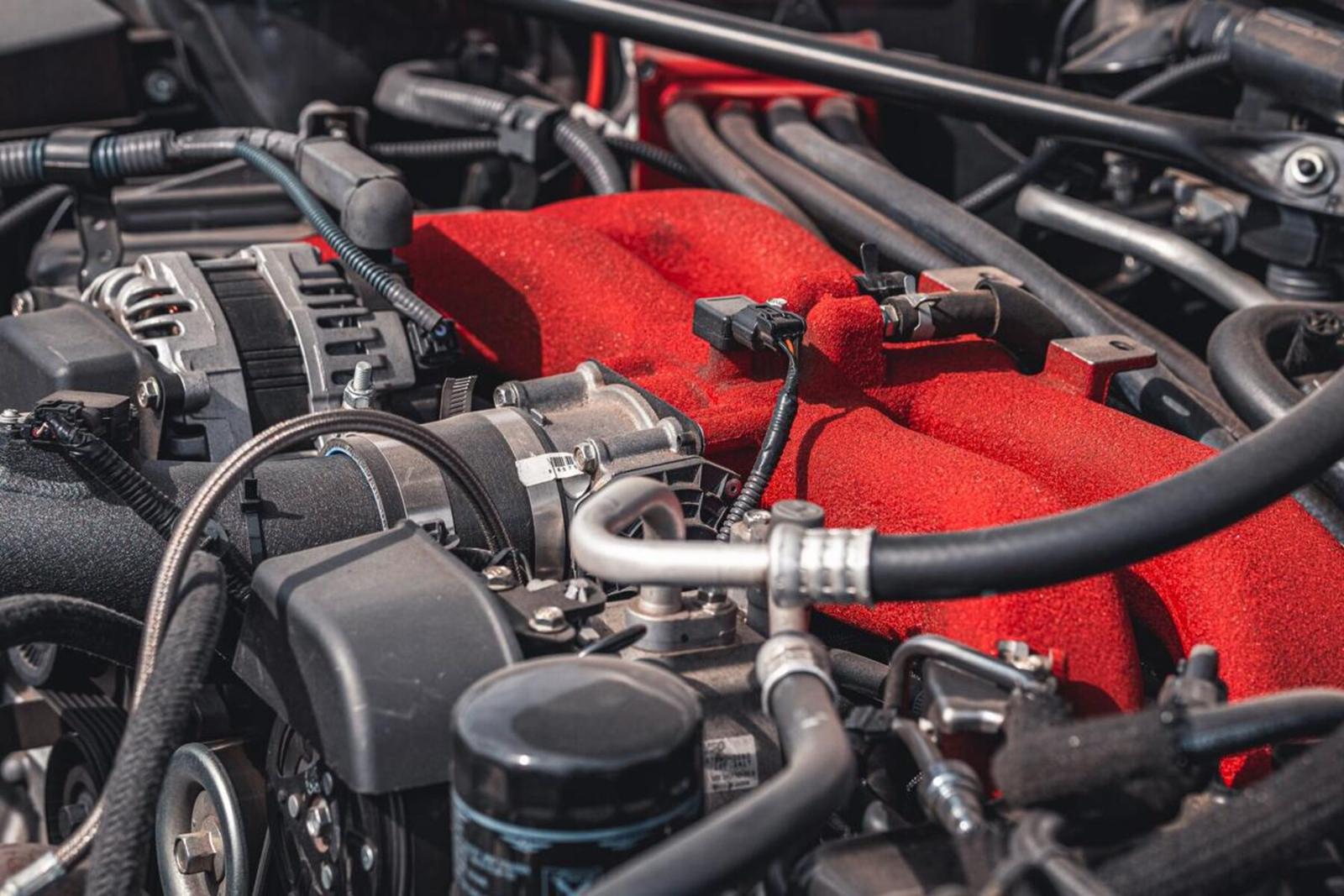
Looking to learn more about the Subaru FA20 engine? This guide covers its specifications, naturally aspirated and turbocharged variants, applications, and key differences across Subaru, Toyota, and Scion models.
For a WRX-specific map of the FA20DIT, older EJ engines, and the newer FA24DIT, use the Subaru WRX engine guide. For used-car inspection and ownership concerns, continue to the Subaru WRX reliability guide.
FA20 Engine Specs & Information
The FA20 engine was introduced in 2012, and comes in both naturally aspirated and turbo variants. The engine was derived from the FB engine for the Subaru BRZ. Shortly after, in late 2012, Subaru began to sell Subaru Legacy GT models sold in Japan equipped with turbo engines, using the FA20F.
The engine was developed as along with Toyota, for use the in Toyota 86, which was branded as the Scion FR-S in the United States up until 2016 when the Scion brand was discontinued.
The engine features a shorter intake manifold and engine oil pan, to keep the overall engine height down, allowing for a lower center of gravity. This engine has some other changes from the FA20F, including a reduced compression ratio, and uses only direct injection with no port injection.
The FA20 engine is a 2 liter 4 cylinder motor using a boxer flat 4 layout with dual overhead camshafts. The heads feature variable valve timing (Subaru AVCS) on both the exhaust and intake camshafts.
Both turbo and naturally aspirated versions use a “square” piston and cylinders layout where bore and stroke are the same. These Subaru engines have different pistons and head to get the lower compression ratio in the boosted models, yet both share the same bore and stroke.
Subaru FA20D - Naturally Aspirated Engine
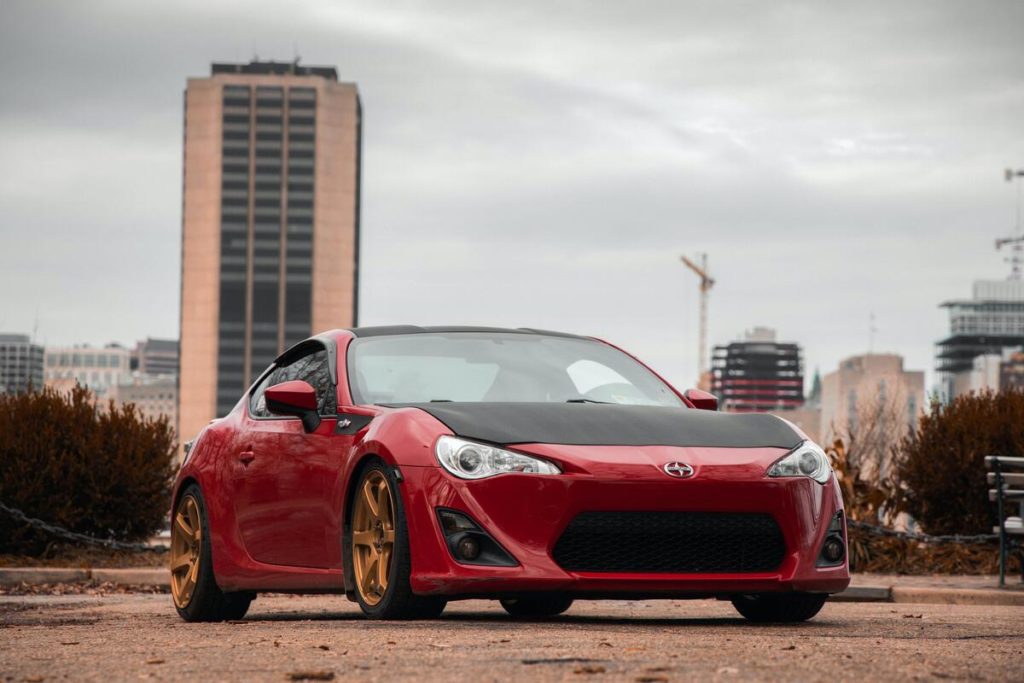
The FA20D is the naturally aspirated engine, also identified in Toyota vehicles as 4U-GSE. The NA version of the FA20 motor is not known for having high power or torque, but however is known as being quite reliable and economical. For related chassis upgrades, see our BRZ / FR-S / 86 mods guide. This engine is found in the following vehicles.
- Subaru BRZ (ZC chassis - 2012-2021)
- Toyota GT86 (ZN6 - 2012-2021)
- Scion FR-S (ZN6 - 2012-2021) While these cars come naturally aspirated from the factory, a common modification is a turbo kit, which will drastically improve power, bringing them up to the power levels of the WRX and beyond.
Engine specs:
- Fuel injection: Direct fuel injection & port injection
- Horsepower: 197-205hp @ 7000rpm
- Torque: 151-156 @ 7000rpm
- Bore: 3.39”/86mm
- Stroke: 3.39”/86mm
- Compression Ratio: 12.5:1
- Engine Oil Type: 0W-20
- Engine Oil Capacity: 6.3 liters
Subaru FA20F - Turbo Engine

The FA20F is also known as the FA20DIT, equipped with a twin-scroll turbo. In the models equipped with this engine, it replaces the EJ25 series on previous model years. The low peak torque of the turbo variant makes it a very responsive and fun. It’s very surprising just how much power the turbo brings to a small 2 liter with only 4 cylinders. Subaru also reduced the compression ratio when they installed the turbo. The following cars are equipped with FA20 turbo engines.
- Subaru WRX (VA chassis - 2014-2021)
- Subaru Legacy GT (BM - 2012-2014)
- Subaru Legacy GT (BN - 2014-2019)
- Subaru Levorg (VM - 2014-2020)
- Subaru Forester XT (SJ - 2014-2021)
Engine specs:
- Fuel injection: Direct fuel injection
- Horsepower: 250-296 HP @ 5600 RPM
- Torque: 258-295 lb-ft @ 2000 RPM
- Bore: 3.39”/86mm
- Stroke: 3.39”/86mm
- Compression Ratio: 10.6:1
- Engine Oil Type: 5W-30
- Engine Oil Capacity: 5.1 liters
FA20 Reliability Notes
The FA20D and FA20F have different operating conditions and reliability concerns. For detailed troubleshooting of the 2015-2021 VA Subaru WRX and its FA20DIT, see our FA20DIT common problems and reliability guide. It covers carbon deposits, oil level and consumption, knock, boost leaks, ignition, heat, inspection, and maintenance.
FA20D Valve Spring Recall
The FA engine had some problems with complaints of the valve springs breaking in the 2012-2013 engines, leading to engines stalling. Subaru did have a future recall in 2018 to replace the springs on 400,000 vehicles. This was specifically an issue with the naturally aspirated FA20D found in the Subaru BRZ, Scion FR-S, and Toyota GT86.
However, some owners experienced issues after having their valve springs replaced. Likely this was caused due to techs using too much sealant, which mixed with engine oil, clogging oil pathways and the oil pickup and leading to engine failure.
These failures have lead to a class action lawsuit against Subaru and Toyota, and they’ve stopped performing the valve spring replacement recalls. It’s important to note that this recall started due to only eleven failures, so it’s not a big cause for concern.
Overall FA20 Reliability
Other than a few issues, which every engine has its own, the FA engine has proven to be a quality, fun, reliable engine from Subaru. Most people that purchase a Subaru with a FA20 engine end up falling in love with it, giving credit to Subarus’s slogan “Love: it’s what makes a Subaru a Subaru.”
We are happy to recommend a FA20 equipped vehicle to anyone. They are a great engine developed and designed to run many years. For the most part they have proven to work for a long time, with years of low maintenance, and plenty of parts for aftermarket modification.